PROFILE
久保百駒 Hyaku Kubo
2003年生まれ、東京出身。2022年に単身LAへ移住。写真をはじめ、現在はストリートやファッションシーンなどで活動しながら、LAのリアルを撮影し続けている。
https://www.instagram.com/hyakubo100
Cafe Tropical
https://www.instagram.com/cafetropicalsunset/
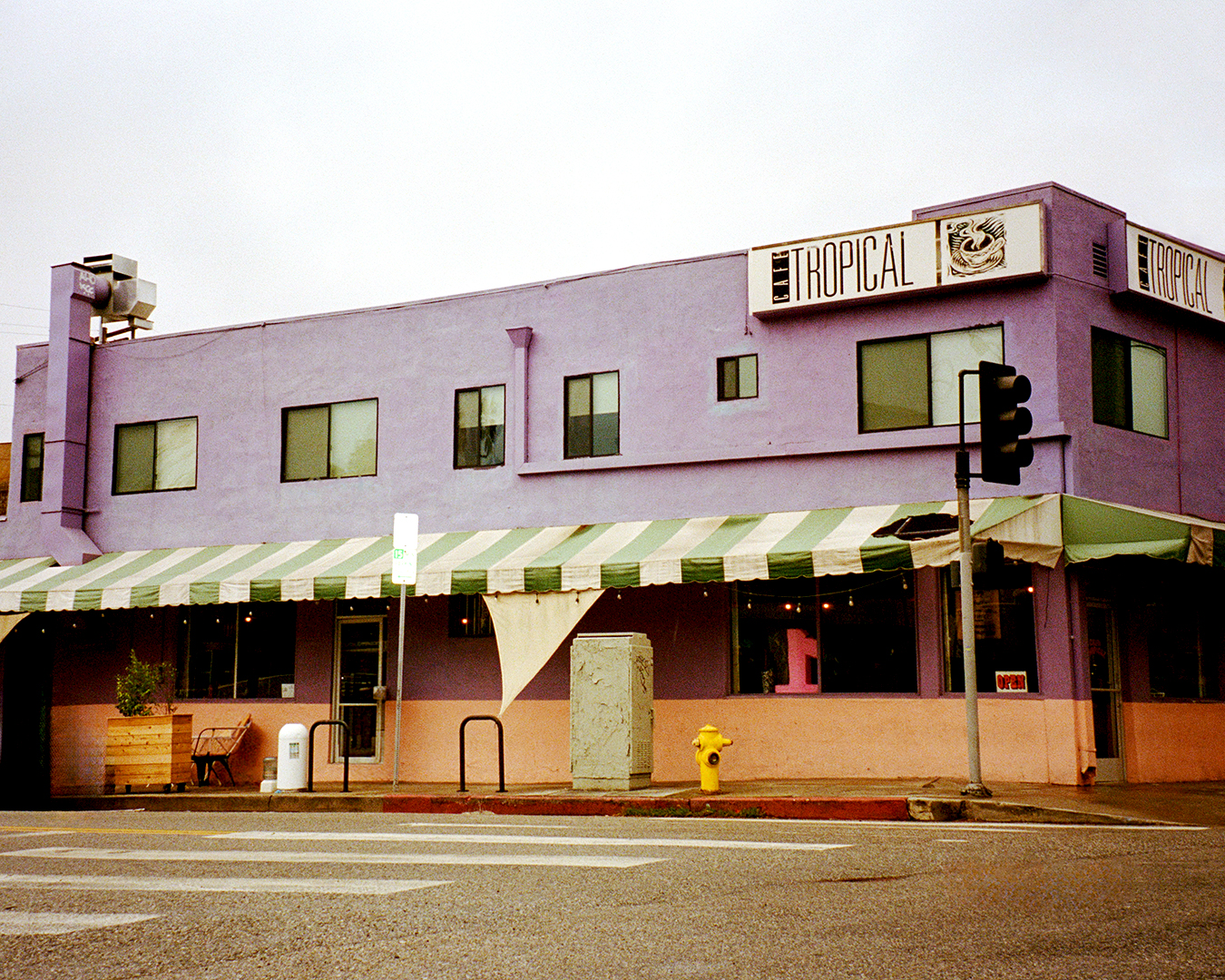

LAを拠点にストリートからファッションシーンまで幅広く活動している新鋭フォトグラファー、久保百駒の連載『The other side of Angels』。現在22歳のユースとして、自分の視点でLAの人やカルチャーを切り取る。そのカタチを写真を通じて紹介していく。
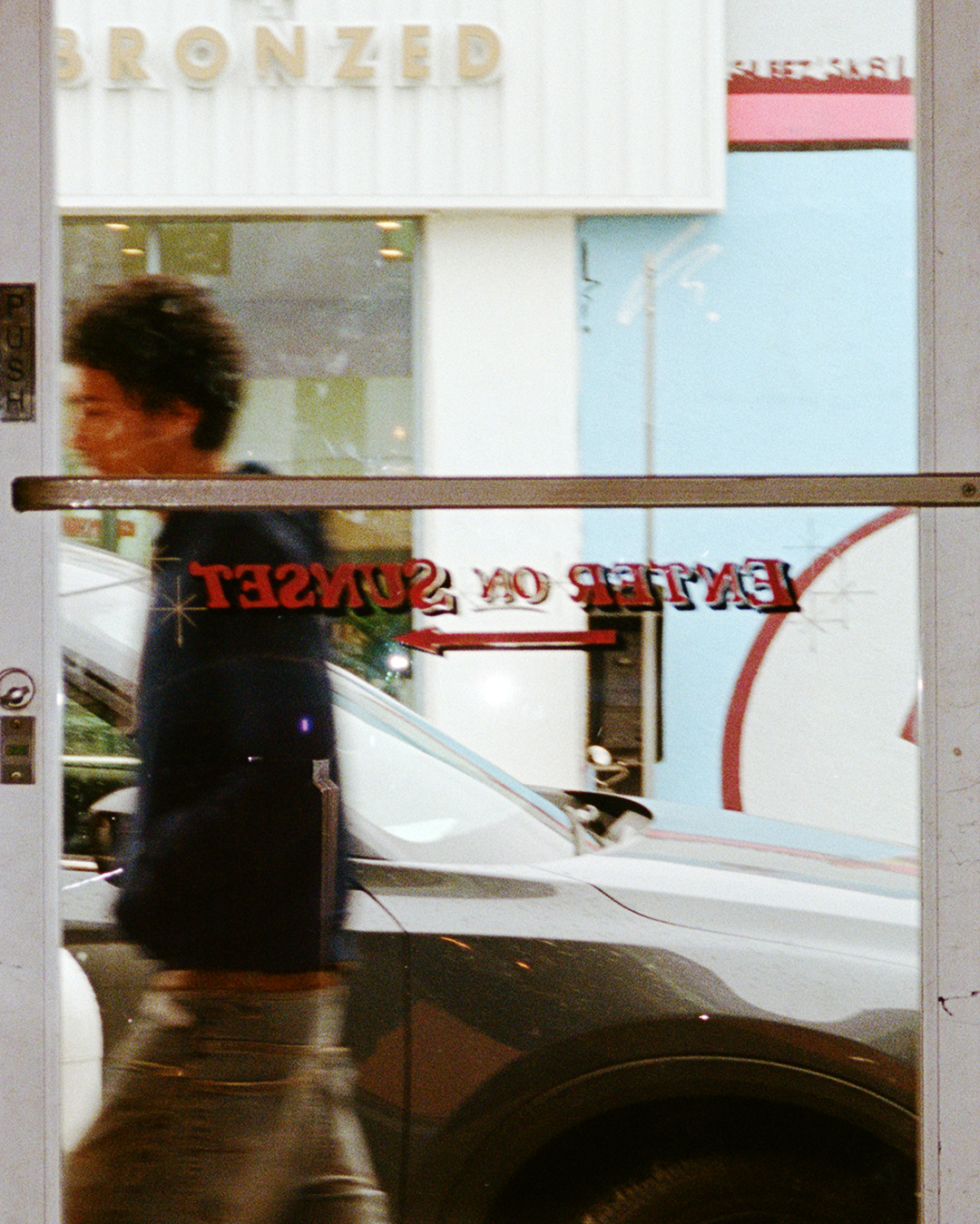
第4回目はLAのカルチャー発信地として知られる老舗カフェ、Cafe Tropical。歴史あるキューバ系アメリカン・カフェだ。この場所にどんな歴史や文化が刻まれていて、どんな記憶が宿されているのか。カフェを運営するReneとDannyに話を聞く。(ショップを運営しているのは、もう1人Edという人物がいるが、今回は不在)
コミュニティとは、場所ではなく、人の記憶が積み重なってできるものだ。
この場所には、50年分の記憶と、それぞれの人生が静かに重なっている。
記憶そのものは消えない。
ただ、一度物理的に失われてしまえば、それは奥底に追いやられ、やがて忘れられていく存在に近づいてしまう。
それを、もう一度“今”に引き戻し、より濃く刻み直したのは、間違いなくDanny、Rene、そしてEdの行動だった。
今回、ロサンゼルスにあるコーヒーショップ「Cafe Tropical」にてインタビューを行った。 彼らがこの場所に込める強い思い、そして積み重ねられてきた歴史。その一端は、短い会話の中からでも確かに感じ取ることができる。
コミュニティに属する理由は人それぞれだ。同じ理由でそこにいる人はいない。
それでも、異なる背景や経験が重なり合うことで、ひとつの層となり、やがて厚みを持った存在へと変わっていく。
拒絶するのではなく、受け入れること。
そして、それを次へと繋いでいくこと。
帰属できる場所があるということを、改めて考えさせられる。
ーHyaku Kubo
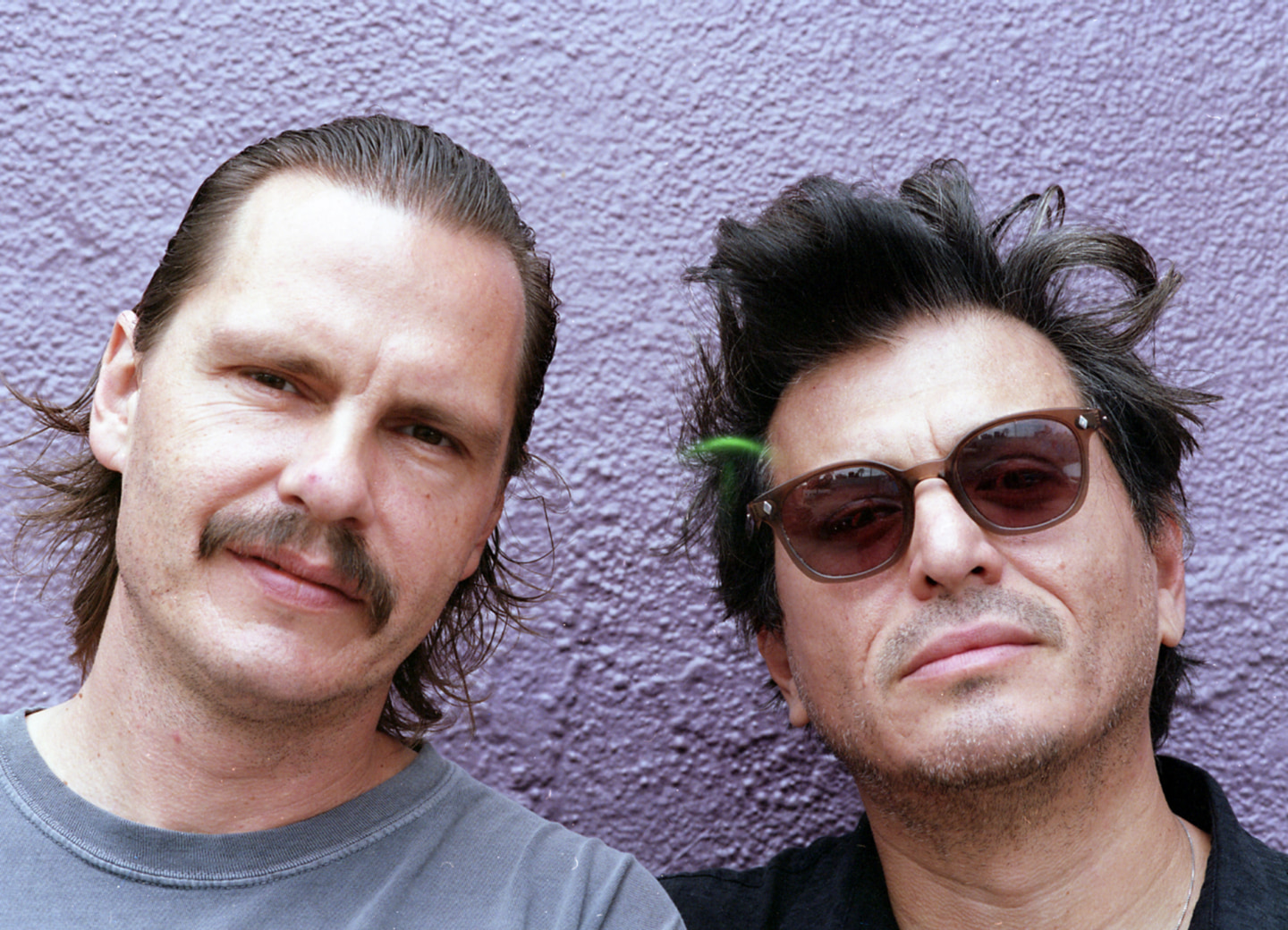
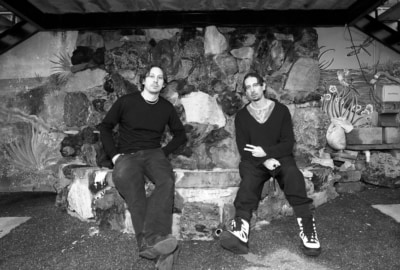
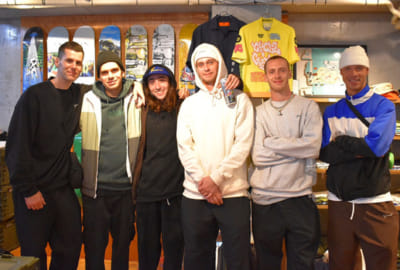
L to R_Danny, Rene
HYAKU:このカフェの歴史を教えてくれませんか?
RENE:昔、約50年前の1975年にここはオープンした。当時LAには小さなキューバ人コミュニティがあって、彼らが関わっていた。最初はアイスクリームショップで、アイスや焼き菓子を売っていた。それが全部この1つの空間で行われていた。それが1975年の話。自分がエコーパークに来たのはもっと後で、世紀の変わり目くらい、たぶん1997年だね。その頃のCafe Tropicalは、今とはまったく違う状態だったんだよ。スターバックスもなくて、コーヒーカルチャー自体が存在していなかった。今は当たり前に感じるけど、当時はエスプレッソはほとんどなかった。エスプレッソドリンクを出している場所はほんの数カ所だけで、どこでもラテが飲めるわけじゃなかったし人気もなかった。Cafe Tropical、The Living Room、それと、この通りの先にあったCasbahくらいがコーヒーカルチャーを持っていた場所だったんだ。Cafe Tropicalのようなカフェは、すごくニッチでアウトサイダーやビートニク的なアーティストのための場所だった。そもそもコーヒーを飲まない人も多かったからね。
HYAKU:OK。
RENE:コーヒーカルチャー自体はあったけど、今みたいに誰もが飲むものじゃなかったね。「コーヒー行こう」みたいな感覚もなかったし、すごく限られたものだった。ビートニク的なアーティストのためのものだったし、自分たちの文化ではなかった。でも、ここはLAの中でも数少ない、ちゃんとエスプレッソマシンを使って提供していたカフェなんだ。キューバ文化からの影響で、そういう風に運営していたんだよ。
DANNY:ダウンタウンLAからウェストハリウッドのサンセット通りまでで、最初にエスプレッソをやってたカフェの1つだったんだ。想像してみてよ。他にやってるところなんてなかったんだ。他はダイナーコーヒーくらいのもんだったんだ。
RENE:エスプレッソはマシンで作るヨーロッパ式のコーヒーだってことを、イタリア人から聞いて知ったんだ。LAの人は基本的にドリップコーヒーを飲んでいて、そもそもコーヒーはカフェではなくガソリンスタンドやダイナーで飲むものだった。しかも日常的に飲むものではなかったし、存在していなかったんだ。スターバックスがそれを広めたけど、それ以前はアーティストやアウトサイダー、ビートニクたちのためのものだった。エコーパークに住んでいたアーティストや共産主義者たちが、毎朝ここに来てコーヒーを飲んでいた。他にこんなに強いコーヒーを出す場所がなかったから。
DANNY:当時は店内でタバコも吸えたから、みんな普通に吸っていたね。
RENE:キューバスタイルの甘くて強いコーヒーが広まったのは80年代くらいだと思う。でもその頃もまだ一部の人だけで、主にアーティストや俳優、作家たちが来ていた。コーヒーを飲める数少ないカフェだったから。自分が初めてCafe Tropicalに来たのは1988、89年くらいで、強いコーヒーに慣れていなかったから、最初はきつかったな。ここでは1日中座ってcafe con leche(カフェ・コン・レチェ、看板メニューの1つ)を飲めたし、注文したらすぐに出てきたけど、すごく強くて灯油みたいな感じだった。でもみんな普通に飲んでいたね。
DANNY:エスプレッソをピッチャーに入れておいて、そこにミルクを足してそのままお客さんに出していたんだ。初めて飲んだ時は驚いたね。今までで1番強いコーヒーだと思ったよ。
RENE:当時は値段も安かったね。コーヒーで1ドル20セントから2ドルくらい。ラテでも3ドル50セントだった。(今ではコーヒー$5、アイスラテ$7)
DANNY:2000年代初めに来たときは、コンチネンタルブレックファストがあって、小さいcafe con lecheとフレッシュジュースとクロワッサンで7ドル。それで1食分だった。(今では3つ合わせて$20)
RENE:最初はコーヒーが好きじゃなかったな、強すぎたから。
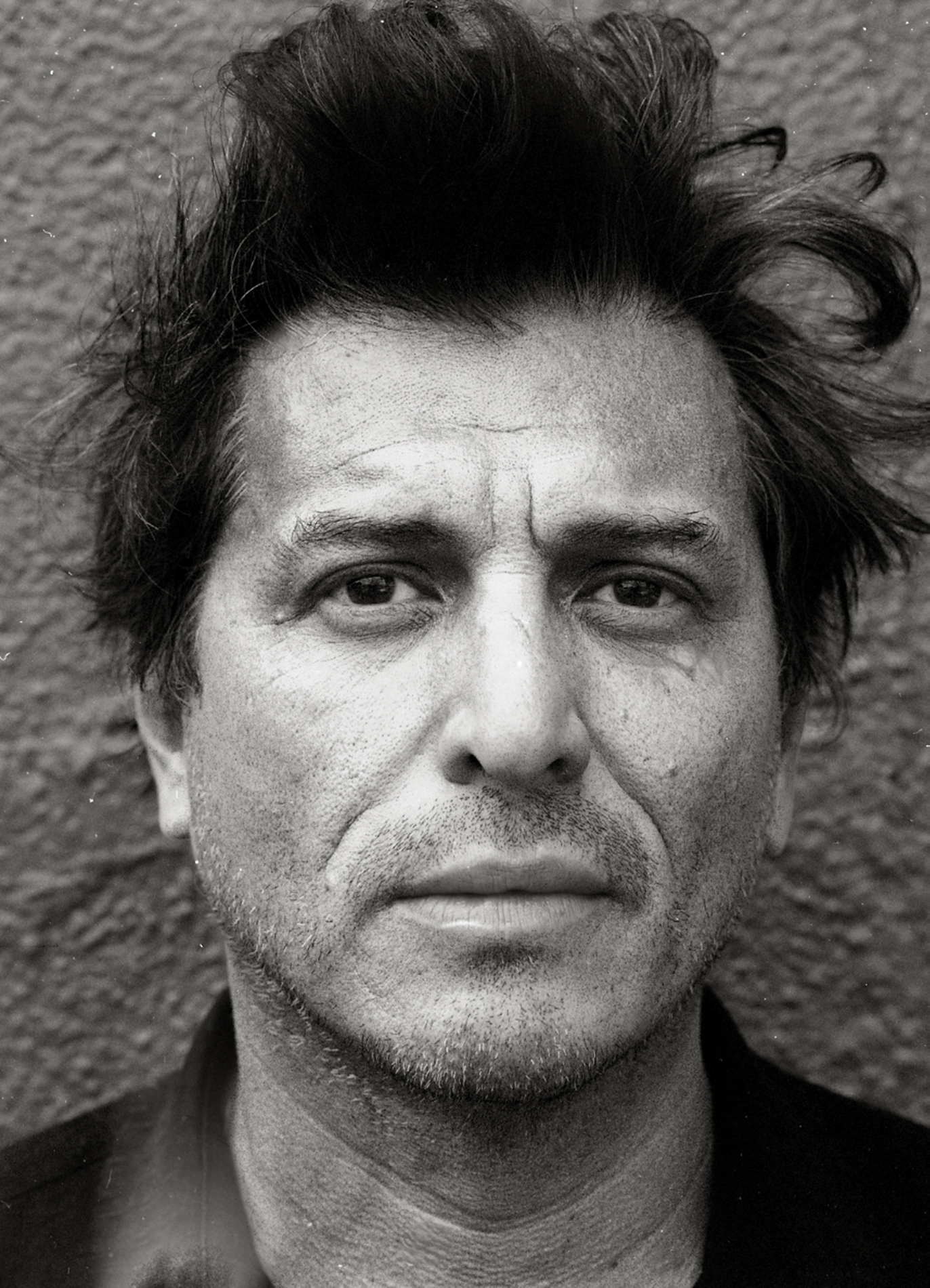
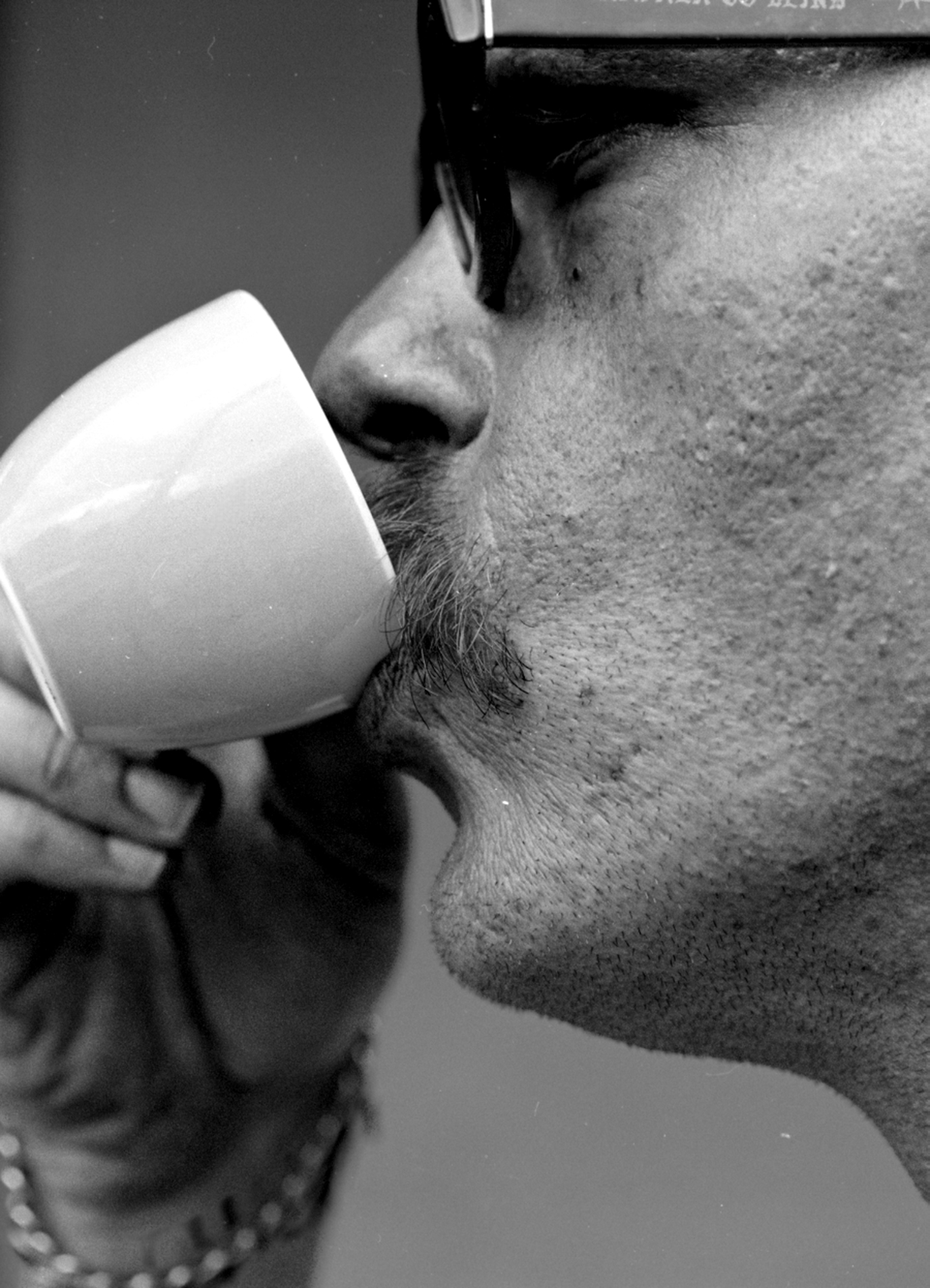
DANNY:でも断酒してからコーヒーを飲み始めた。ドラッグも酒もやめて、何かが必要だったんだ。そしたら「なるほど、みんながこれを飲む理由がわかる」って思って、習慣になっていったんだ。アニメーションの仕事をしてた時も、みんな飲んでいたし、それが当たり前だった。でも、本当にコーヒーの魅力を理解したのは、この場所を引き継いでから。今は新しい場所に行くと、エスプレッソを頼んで、その店のクオリティを見る。抽出の仕方や、苦味、酸味、甘さ。いいエスプレッソを出すにはすごく多くの要素がある。砂糖やミルクで美味しくはできるけど、完璧な1杯は完全にアートなんだよ。コーヒー豆の挽き方、量、温度、すべてが関係していて時間帯によっても変わる。空気や温度で変わるから、マシーンを調整し続けないといけない。それを安定して出せるのは作り手の技術だね。本当に美味しい1杯はアートだと思う。
RENE:コーヒーはある意味ドラッグみたいなものかもしれないね。自分も依存したよ。ヘロインを辞めた後、その代わりとしてコーヒーと砂糖があった。今は世界中で当たり前のものになっていて、ビジネスの基盤にもなっている存在だけどね。
HYAKU:2人は、なんでこの場所を引き継いだの?
RENE:人生のある時期に路上にいて行く宛がなかった時、この場所に来て12ステップのプログラムに参加していた。ここはコミュニティの中心だった。当時のオーナーDonatoはすごく寛大で、ここで“人としてどうあるべきか”を学んだ。クリーンで正直で、それでもアーティストでいられること。彼はたしか2017年くらいに亡くなっていて、その後別の人が引き継いだけど、コロナ禍後に経営が崩れて店はなくなってしまったんだ(2023年12月に1度、閉店している)。それを知った時、自分たちにも「何かできるかもしれない」という話になって、数日のうちに全部決まったんだ。以前から計画していたわけではなく、流れで決まったんだよ。コミュニティにいる人に呼びかけてチームを作って資金を集め、この場所を引き継いだんだ。今は3人で運営しているよ。
DANNY:Edも一緒にやってる。キッチンやフードの経験がもっともあるのは彼だ。
RENE:Dannyと自分は、このお店と人を知っていたけど、Edはレストランを理解していた。だから今も直感で判断しながら学び続けている。
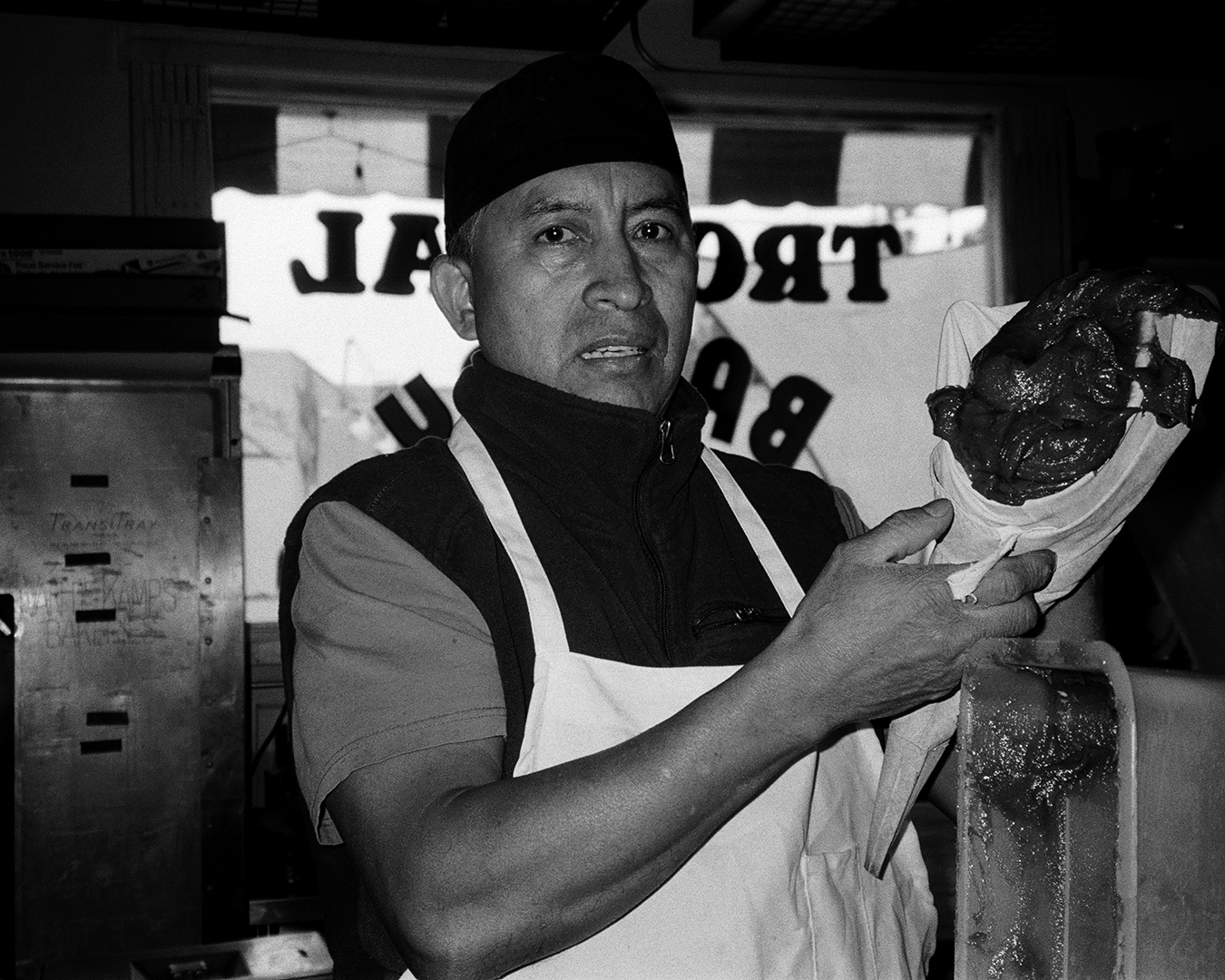
HYAKU:再オープンする時に場所は変えたの?
DANNY:いや、あまり変えていないんだ。それがすごく大事なことだったね。Cafe Tropicalとして残したかったから。全部作り直してミニマルな空間にしたら、ただのよくあるカフェになってしまう。だけど、ここには歴史や文化、記憶がある。だから不要なものは整理したけど、空気はそのまま残した。色もできるだけそのままで少し明るくした感じかな。営業再開まで90日あったけど、鍵をもらえたのは60日目で、実質30日の間に、全部自分たちでやったんだ。閉店の張り紙が出たのは2日前で、みんなショックを受けていたんだよ。その時は行列もできていた。これが最後だと思ってお店を訪れて、「この場所を救えたらいいのに」と友達に言ったのが始まり。弁護士やエージェントに連絡して話を進めて、他にもオファーはあったけど自分たちが選ばれたんだ。途中で投資が抜けたりもしたけど、少しずつ全部が繋がっていったね。
RENE:自分たちがやらなかったら、チェーン店になっていたと思う。
DANNY:例えば、Sweetgreenみたいな。でもそれ自体が悪いわけじゃなくて、歴史の意味が失われるのがよくないと思ったんだよ。2歳の頃から来ている人や、毎週グァバチーズパイを食べに来る人もいる。ここで妻と出会ったって人もいる。25年間毎年クリスマスに15個のパイを買い続けている家族もいる。
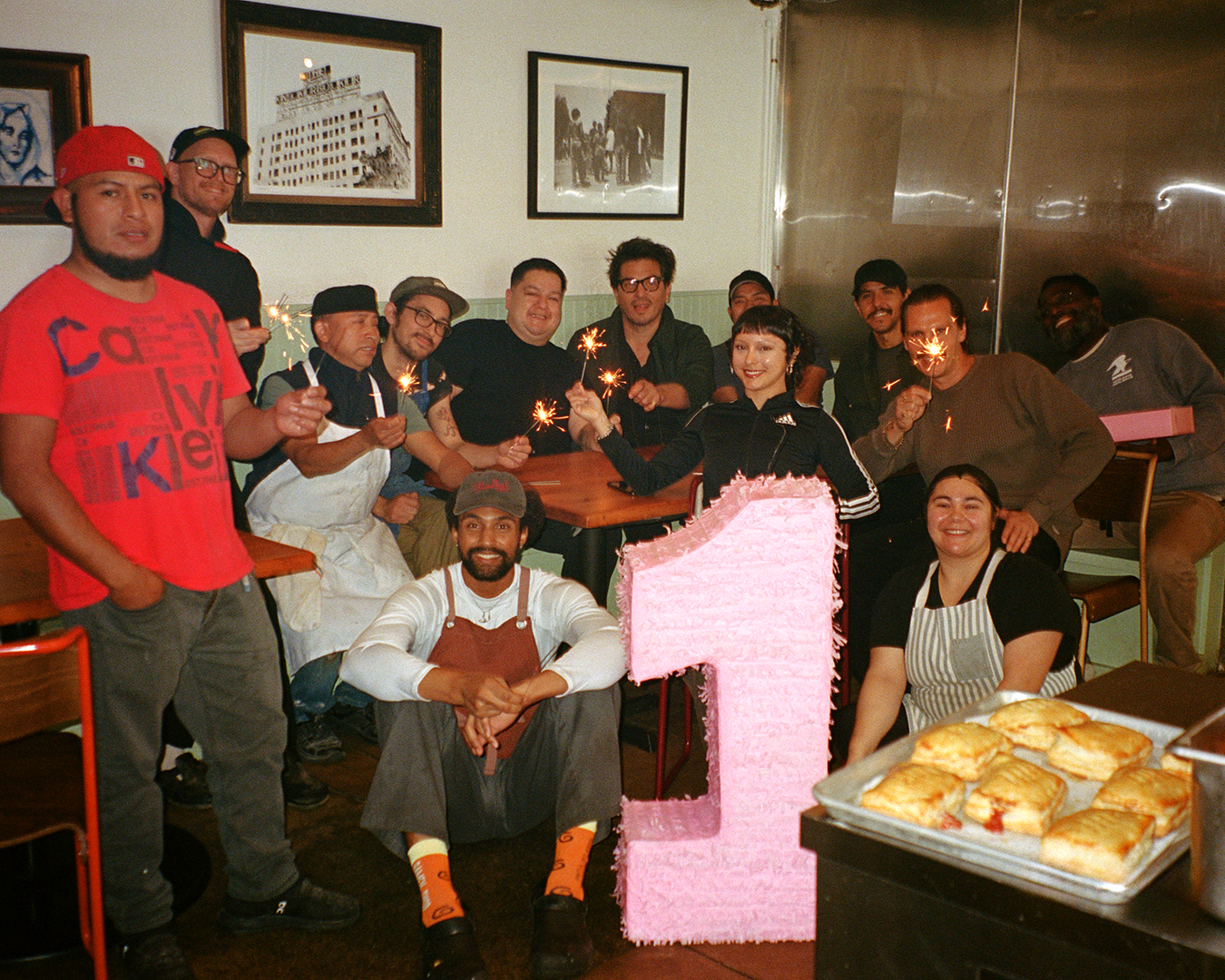
RENE:つまり、このお店はそういう人たちや家族にとって歴史の一部になっているんだよね。もしこの場所がなくなっていたら、企業が運営するショップになっていたと思う。LAで個人経営のお店を続けるのは難しいことだからね。でも、ここはただのビジネスじゃなくてコミュニティの場所。アウトリーチやホームレス支援、ミーティングも続けている。火災の時は食事提供もした。自分たちはコミュニティに支えられて生きてきたから、これからも同じように、Cafe Tropicalを通じてコミュニティに恩返しをしていきたいんだ。
English caption is below
A community is not defined by a place, but by the accumulation of memories.
Within this space, fifty years of stories and lives quietly overlap.
Memory itself doesn’t disappear.
But once something is physically lost, it gets pushed into the background and gradually becoming something close to forgotten.
What brought it back into the present, and etched it deeper than before, was undeniably the action taken by Danny, Rene, and Ed.
This time, I had the chance to interview the team behind Cafe Tropical, a coffee shop in Los Angeles.
Through even a short conversation, you can feel the weight of its history and the depth of their commitment to preserving it.
Everyone has their own reason for belonging to a community. No two are the same.
Yet when these different experiences overlap, they begin to form something layered and something with real depth.
Not rejection, but acceptance.
And the act of carrying it forward.
It makes you realize what it means to have a place you can belong to.
HYAKU:Can you tell about this place (Cafe Tropical)
RENE:50 years ago, in 1975, it was open. There was a small community of Cuban people in LA. They were a part of it. They opened what was an ice cream shop. They sold ice cream and baked goods. It was all here in this room. So this was like 1975.
I didn’t come to Echo Park until the turn of the century, probably like 1997. I had come to LA, I had lived, I was born and raised here in Los Angeles, but Cafe Tropical was just over. This was before Starbucks, before any coffee culture existed. Before the turn of the century, it seems so common now because everybody drinks coffee, but there was no espresso. There were only a couple places that made espresso drinks. You didn’t get a latte anywhere, it wasn’t popular.
Cafe Tropical, The Living Room, and another place called Casbah down the street were the only places that had coffee culture. It was for artists, subversive people, beatnik-style artists. There were people who didn’t drink coffee most of the time.
HYAKU:Okay.
RENE:There was a coffee culture before, but nobody drank coffee the way it is now. It wasn’t like, “Let’s go get a coffee.” There were only a few places and it was pretty limited. Subversive, beatnik-style artists.
It wasn’t part of our culture. So this is one of the few places in LA that actually had an espresso machine serving people, because it was part of Cuban culture.
DANNY:We were doing the first espresso machine from downtown Los Angeles to West Hollywood on Sunset Blvd. Imagine that. Nobody else was doing espresso. There were places that would do diner coffee.
RENE:It’s espresso made by a machine, a European coffee process. Espresso was something I had heard from Italian people. People here just had drip coffee. It was something you got in a gas station or a diner, but it wasn’t part of everyday life. It didn’t exist.
Starbucks made it popular, but before that it was mostly for artists, subversive people, beatniks in Los Angeles. Smaller communities. All the artists, all the communists that lived in Echo Park would come here to get their coffee every morning, because there was no stronger coffee than here.
DANNY:You could smoke inside back then. People would come inside and smoke cigarettes.
RENE:I would say the popularity of Cuban-style coffee, a sweet strong coffee, was probably in the ’80s. Back in the day, people didn’t have that routine. Only a small group of people. Mostly artists, actors, writers would come here because it was one of the few places where you could get coffee.
The first time I came here was probably around 1988 or 1989. I wasn’t used to drinking strong coffee. It was too strong.
They would let you sit all day and have cafe con leche. They would just pour it. It was fast and strong, like kerosene, and people would drink it.
DANNY:They had a jug of espresso sitting there. They would just pour it with milk and serve it. The first time I had it, it was the strongest coffee I had ever had.
RENE:It was cheap. Maybe a dollar twenty, maybe two dollars. A latte was three fifty.
DANNY:I came here in the early 2000s and they had a continental breakfast. You would get a small cafe con leche, fresh squeezed juice, and a croissant. It was seven dollars for all three. That was a full meal for me back then.
RENE:I didn’t like coffee at first. It was too strong.
DANNY:I started drinking coffee after I got sober. I needed something. I wasn’t doing drugs or drinking anymore. So I started drinking coffee.
I remember thinking, “I understand why people drink coffee.” Then it became routine. I worked in animation, and it was just what you did. Everyone was doing it.
But I didn’t really appreciate coffee until we took over this place.
Now, when I go somewhere new, I’ll get a shot of espresso to see how good it is. There’s so much that goes into pulling a good shot of espresso.
You can make something sweet with sugar and milk, but a perfect espresso shot is an art form. You need the right grind, the right amount, the right temperature.
Throughout the day, you have to recalibrate the machine because temperature and air change. Being able to pull a good shot consistently is an art form.
RENE:It’s essentially a drug. I became addicted to it. As a sober person, after giving up heroin, I needed something. Coffee and sugar became that.
Now it’s part of life everywhere. The whole western world has come to appreciate coffee. It’s the base of our business here.
HYAKU:Why did you take over this place?
RENE:When I got to a point in my life where I was on the street and had nowhere to go, I came here for a 12 step program. This place was a hub for the community.
The owner, Donato, was very generous. I learned what it meant to be a good person, to be clean and honest, and still be an artist.
He passed away before COVID, maybe around 2017. After that someone took over, but after COVID it was mismanaged and lost.
We found out and it happened quickly. Someone said, “We can do something about this. Do you want to be involved?” It all happened within a few days. It wasn’t planned. We just went for it.
We put a group together, got money, and took over the restaurant. There are three of us.
DANNY:Ed is part of it too. He has the most kitchen experience.
RENE:Danny and I knew the place and people, but Ed understood restaurants. We’ve been learning as we go, trusting our instincts.
HYAKU:Did you change the place?
DANNY:We didn’t want to change too much. We wanted to keep Cafe Tropical. If we rebuilt it into something minimal, it would just become another cafe. It would lose its identity.
There’s history, culture, memories.
We cleaned it up, removed clutter, but kept the spirit. The colors are similar, just brighter.
We had 90 days to reopen, but didn’t get the keys until day 60, so we only had 30 days.
I remember when the sign went up saying it was closing. It was just two days before closing. People were heartbroken. There were lines down the street.
I came thinking it would be my last time. I told a friend, “It would be cool if we could save this place.” That started everything.
We contacted people, lawyers, agents. They had other offers, but chose us.
There were setbacks, investors backing out, but little by little everything came together.
RENE:If we didn’t take it, it would have become something like a chain.
DANNY:Maybe something like Sweetgreen. Nothing wrong with that, but it loses the integrity of the history.
We’ve had people come in and say they’ve been coming here since they were two years old. They still come every Saturday for guava cheese pie.
Someone said, “I met my wife here.”
There’s a family that buys 15 guava cheese pies every Christmas for 25 years straight.
RENE:It’s part of their family history.
If we didn’t keep this place open, it would become another corporate space. It’s hard to survive independently in LA because rent is high.
But we are more than a business. We are community-based. We do outreach, support homeless people, host meetings.
When the fires happened, we provided meals.
We are here because of the community, and we support the community.
ARCHIVE
The other side of Angels.02 by Hyaku KuboPICK UP: Andrew Aged & Daniel Aged
The other side of Angels.01 by Hyaku KuboPICK UP: Ozzie Juarez
PROFILE
2003年生まれ、東京出身。2022年に単身LAへ移住。写真をはじめ、現在はストリートやファッションシーンなどで活動しながら、LAのリアルを撮影し続けている。
https://www.instagram.com/hyakubo100
Cafe Tropical
https://www.instagram.com/cafetropicalsunset/