PROFILE
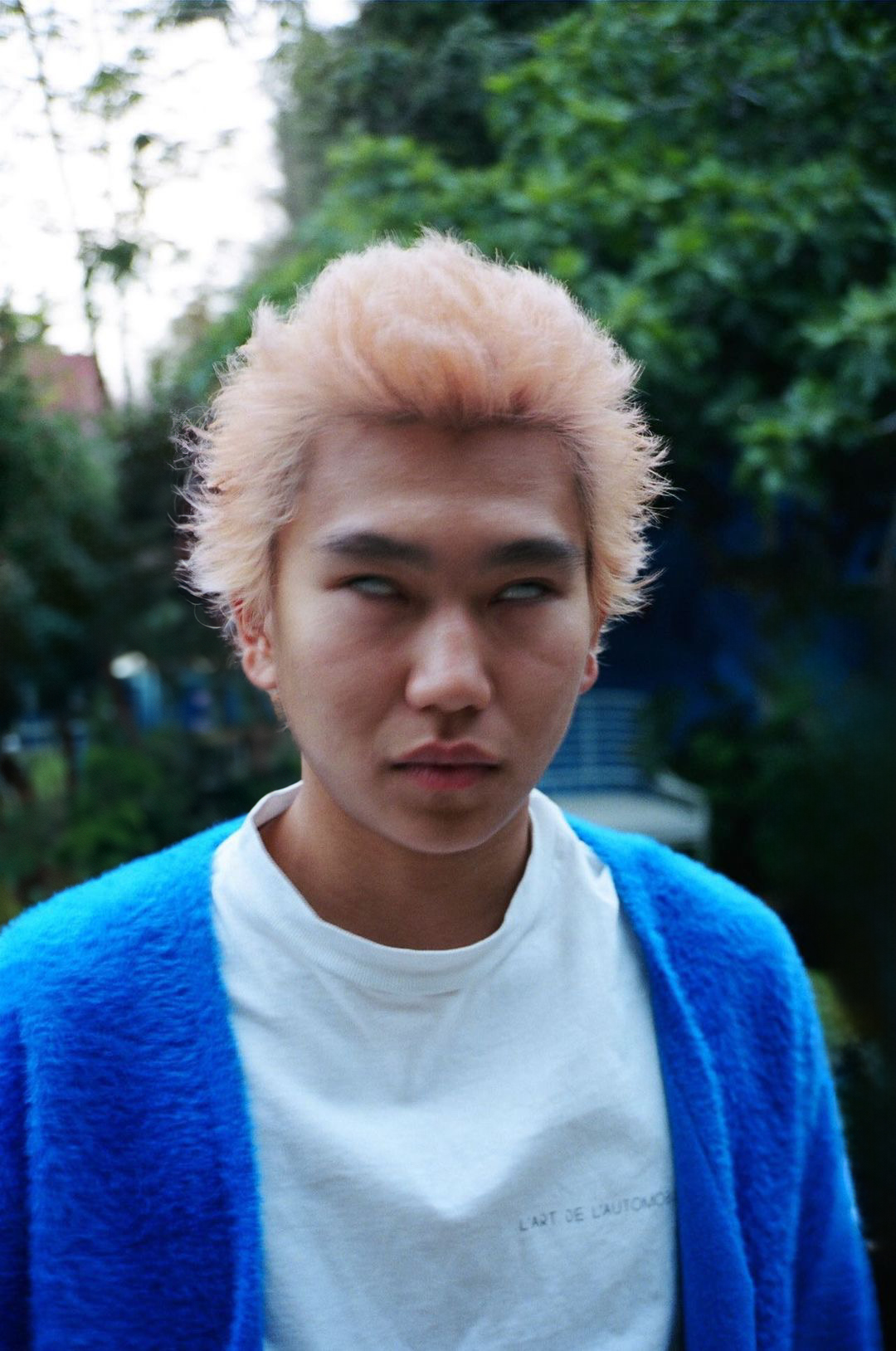
久保百駒 Hyaku Kubo
2003年生まれ、東京出身。2022年に単身LAへ移住。写真をはじめ、現在はストリートやファッションシーンなどで活動しながら、LAのリアルを撮影し続けている。
https://www.instagram.com/hyakubo100
Ozzie Juarez
https://www.instagram.com/ozziejuarez/
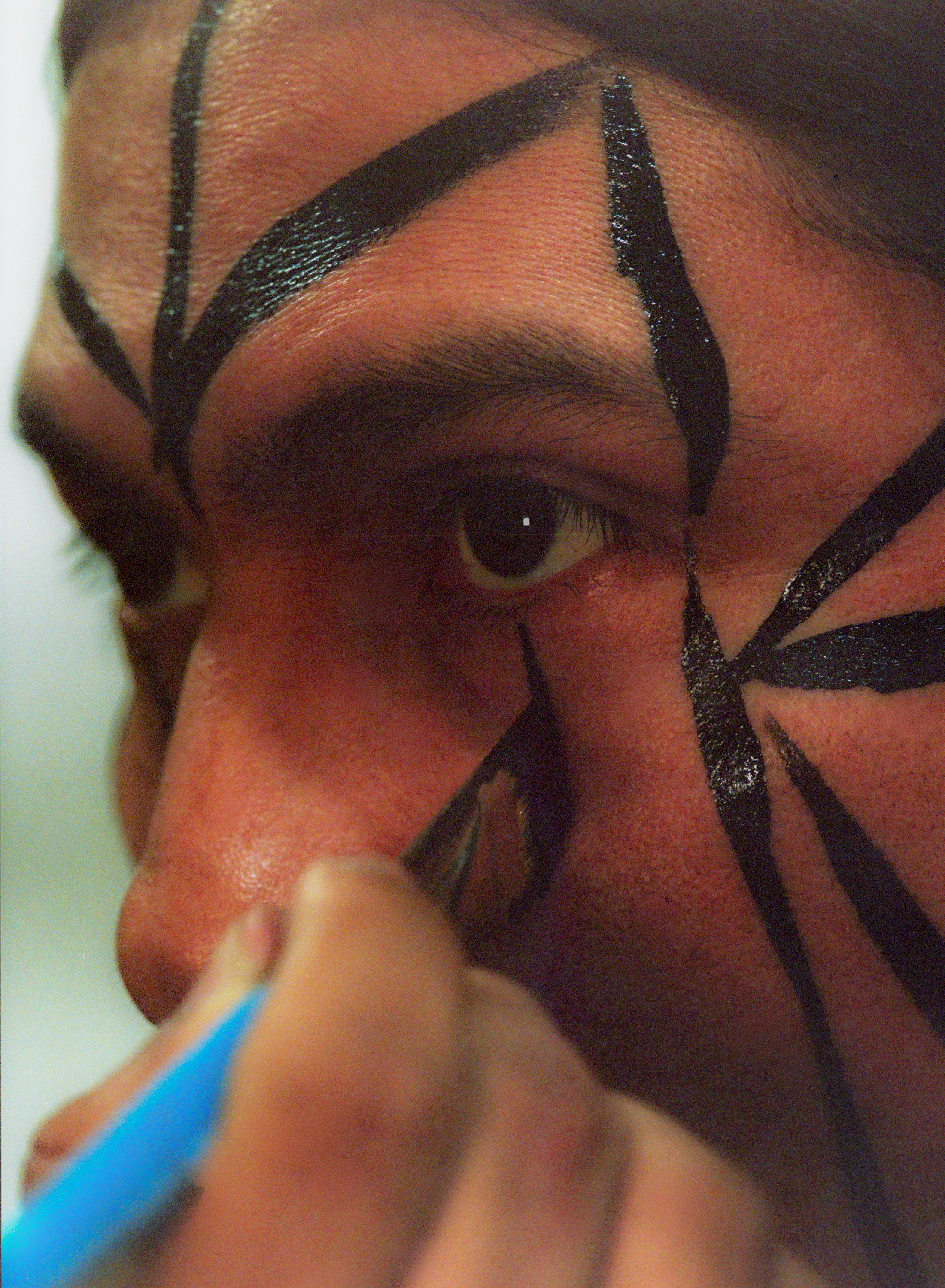
LAを拠点にストリートからファッションシーンまで幅広く活動している新鋭フォトグラファー、久保百駒の連載『The other side of Angels』。現在22歳のユースとして、自分の視点でLAの人やカルチャーを切り取る。そのカタチを写真を通じて紹介していく。
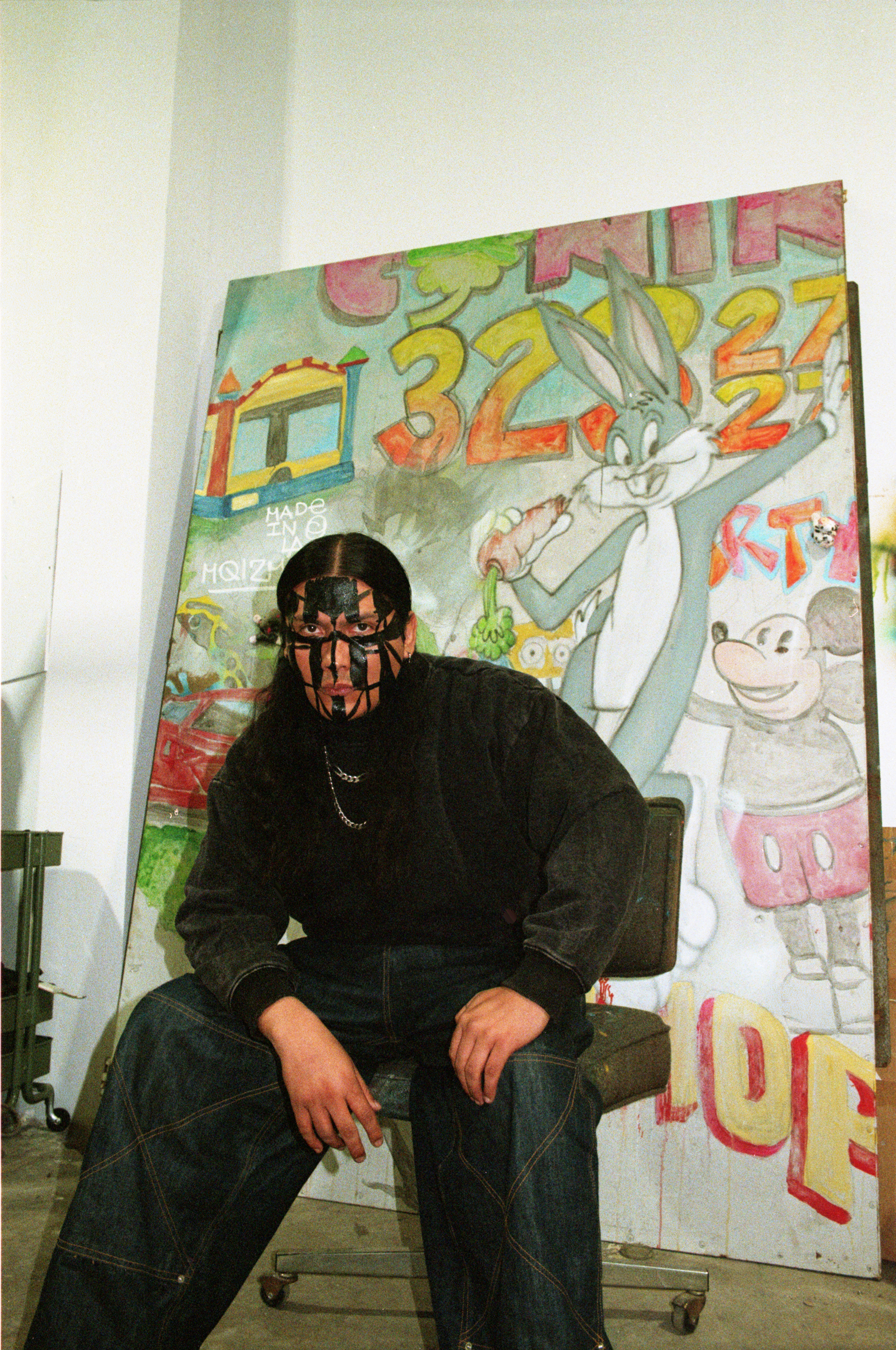
第2回目、紹介するのはOzzie Juarez、LAを拠点に活動するアーティストだ。メキシコ系アメリカ人として育った環境、アニメを模写していた少年時代、グラフィティにのめり込んだストリート、家族の期待と反発、不安と自信の往復。それらはすべて、彼がアートを通して世界を見るための基盤になってきたはずだ。
以下、私(久保百駒)とOzzieとの会話をインタビュー形式でお送りします。
そこから彼のクリエイティビティや考え方をお伝えできれば幸いです。
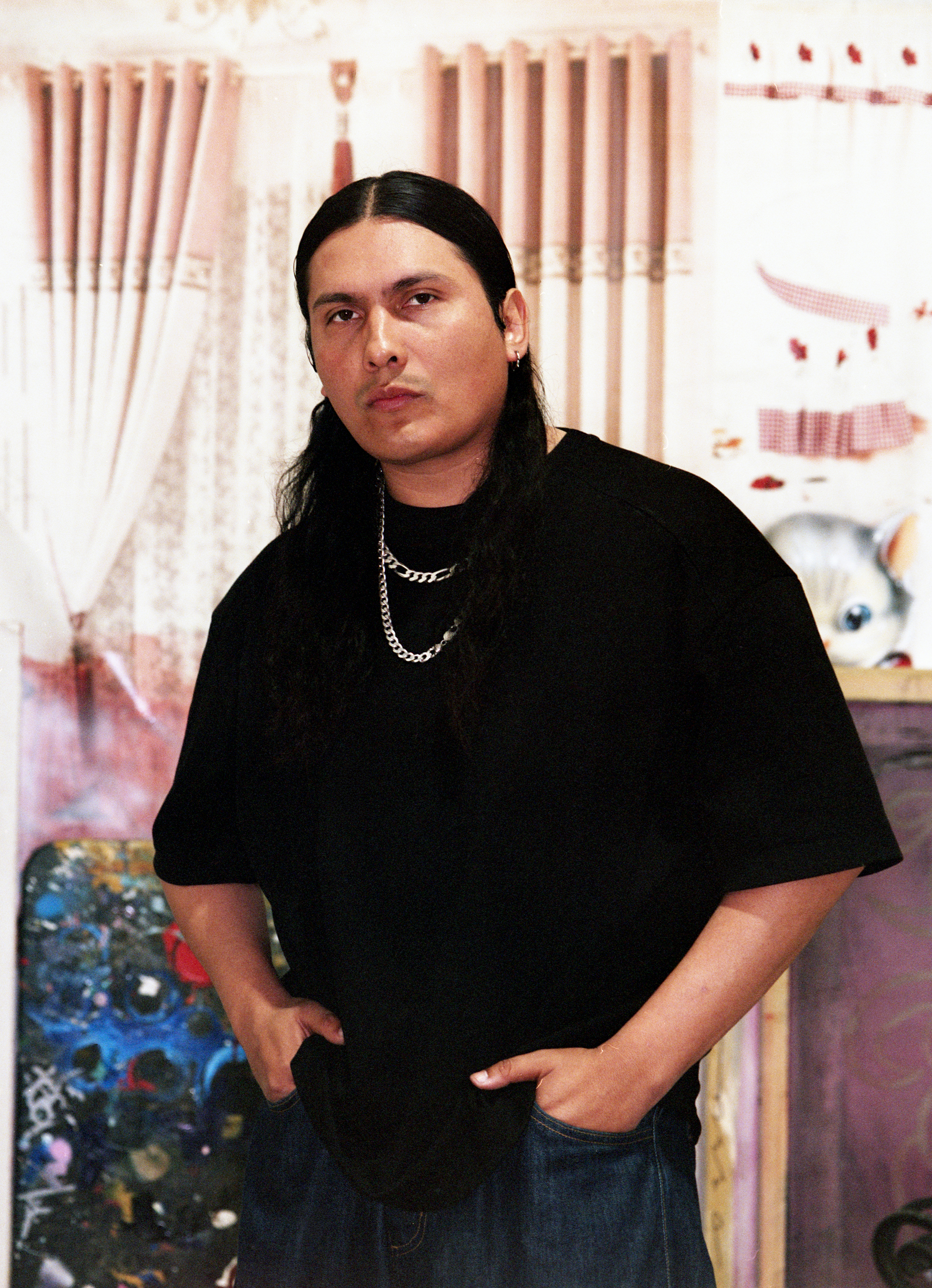
Ozzie:日本のアニメとメキシコの間には、80年代、特に後半にすごく強い関係があったと思うんだ。『ドラゴンボール』がメキシコのテレビ局に放映権を売って、たくさんのアニメが流せるようになった。だからアニメは、アメリカより先にメキシコに入ったんだよ。最初は日本、次にメキシコ、そのあとブラジルとか他の国々、そして最後にアメリカ。その影響で、メキシコ政府やテレビ局が日本のアニメを大量に買った。日本側も売ることを許可してたしね。それがすごく成功して、どんどん『ドラゴンボール』や『セーラームーン』みたいなアニメが流れるようになった。それでメキシコでは、アニメがとてつもなく強い存在になった。悟空の物語ってすごく共感できるんだよ。弱者から始まって、仲間や家族のために戦う。愛情深くて絶対に諦めない。そのマインドセットがメキシコの人たちにすごく響いたんだと思う。文化的にも合ってるよね。だから、そのキャラクター性がメキシコ文化にすごくフィットした。メキシコでは『ドラゴンボール』は宗教みたいなものだよ。本当に、ものすごく大きい。
ーたしかに、日本のアニメって「友達第一」「家族第一」みたいな価値観が強いですよね。さっき話してたこととも繋がっていますね。
Ozzie:面白いのは、日本人は普段そんな感情表現をあまりしないのに、アニメではそれをすごく描くってところだよね。悟空は息子を「愛してる」って言葉にするし、家族や仲間にもちゃんと愛情を伝える。それが多くのメキシコ人の心に刺さったんだと思う。それで現象みたいになった。アメリカに来てから、メキシコ系アメリカ人として、自然とアニメに惹かれた。『セーラームーン』『ポケモン』『遊戯王』『ドラゴンボール』。それが全部、俺が絵を描くことを学ぶきっかけだった。アニメを模写して、人体構造を見て、線やマークメイキングに取り憑かれてた。子供の頃、『ドラゴンボールZ』やアニメキャラを描くのがめちゃくちゃ得意だった。
ーじゃあ、自然にアートに入っていったんですね。アニメや漫画がきっかけで。
Ozzie:そう。想像力を持つきっかけになった。昔のアニメって、今とは違って本当にクリエイティブだった。色使い、構図、全部を真剣に見てた。子供の頃は学校が嫌いでずっと絵を描いてた。人間、動物、アニメ、オリジナルの漫画。それからグラフィティに入って、壁や電車に描くようになった。
ー何歳くらいからグラフィティをやってたんですか?
Ozzie:11歳から。
ー出身は?
Ozzie:サウス・セントラル LA。
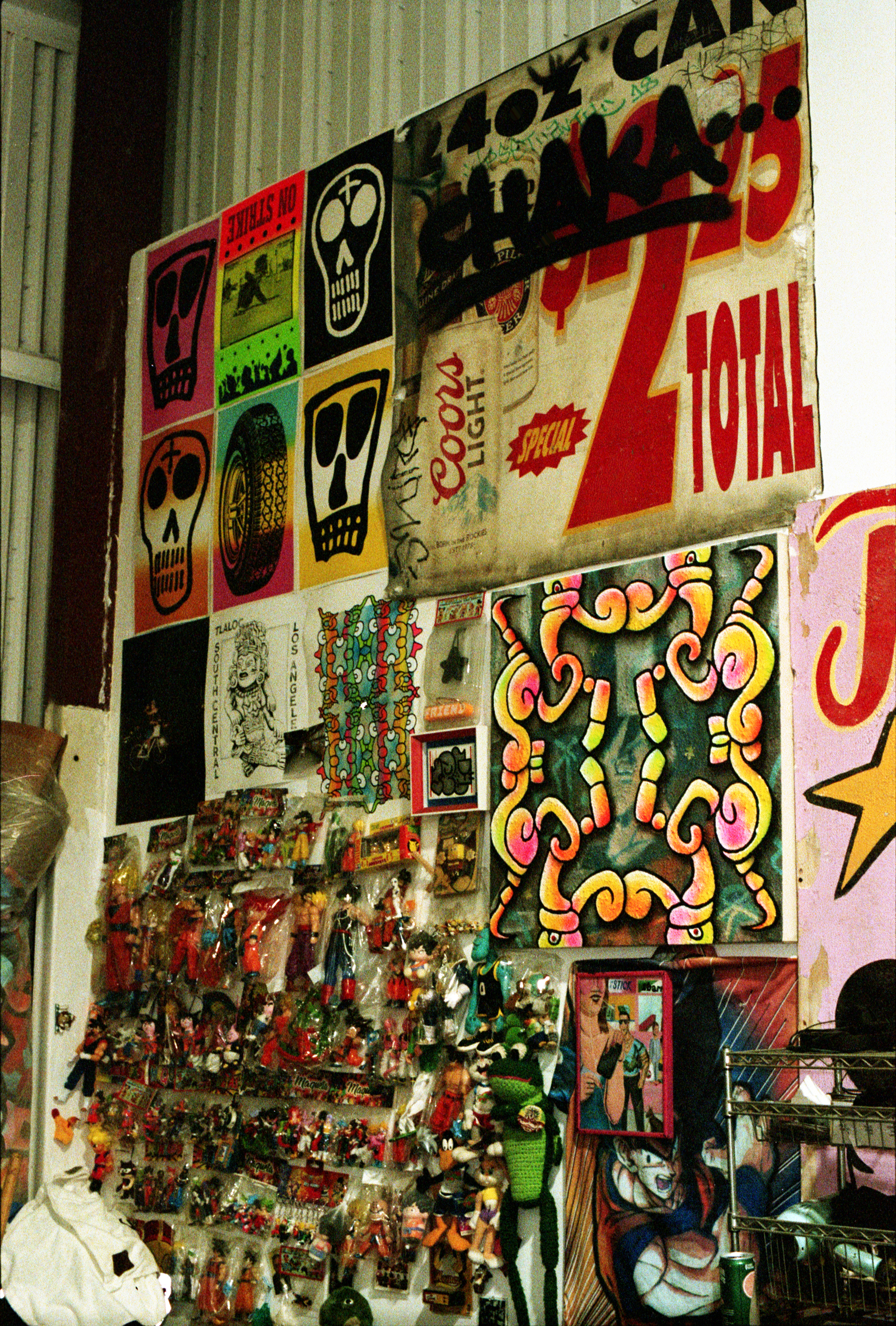
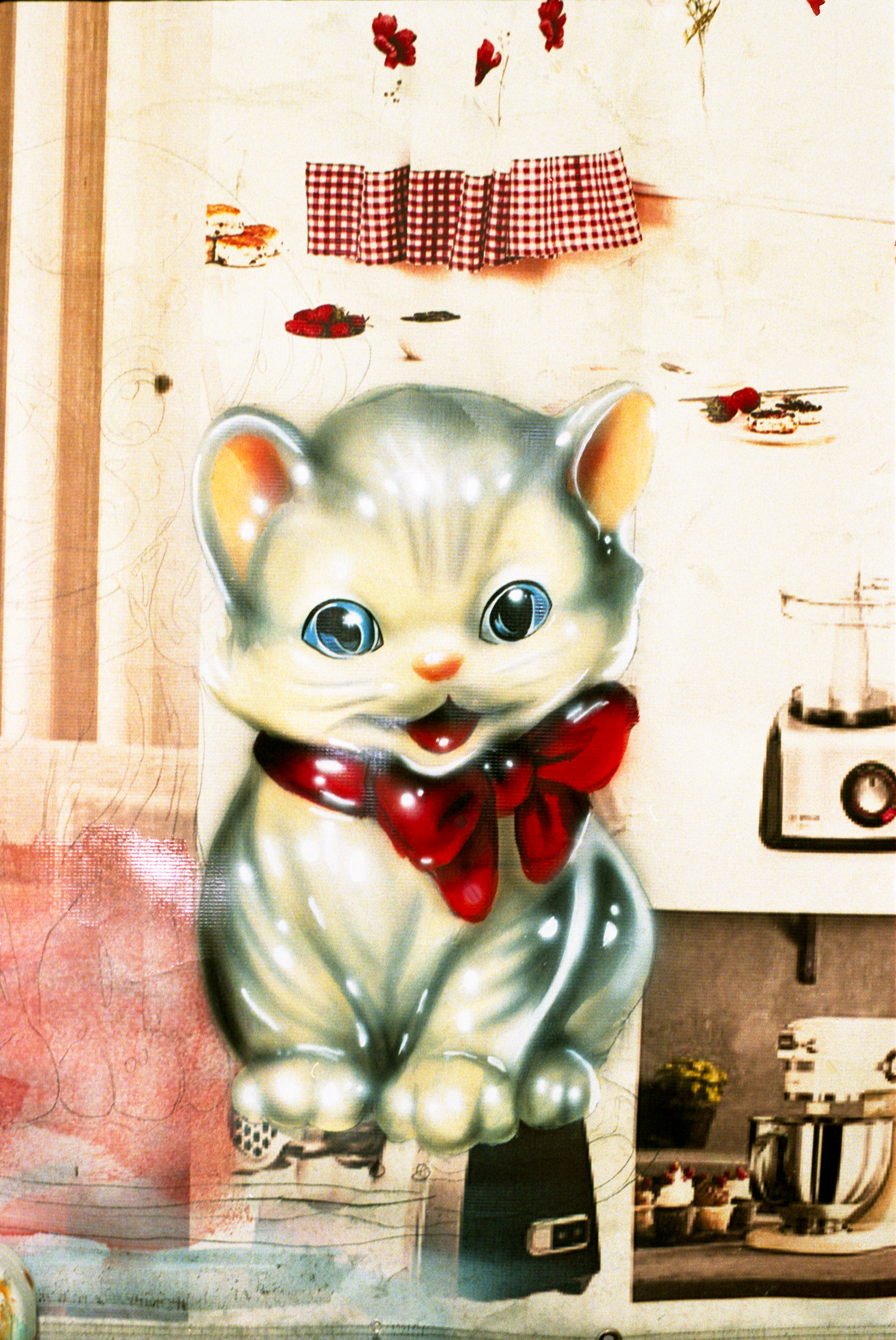
ーその頃のサウス・セントラルはどうでした?
Ozzie:すごく危険だった。ギャング、ドラッグ、貧困。でも、父親がすごく厳しくて、俺により良い未来を望んでた。教育が何より大事だった。若い頃から働かされて、勉強も絵も全部同時にやっていたんだよ。ドラッグを売ったり、グラフィティを描いたりもしてたけど、同時に良い生徒で良い息子でもあった。2つの世界を同時に生きてた感じだね。貧困や、家族や友達が刑務所に行ったり亡くなったりするのを見て育ったんだ。兄弟、従兄弟、叔父たちが刑務所に行ったけど、俺だけは行かなかった。それでフッドから一歩外に出て、教育とアートに本気で向き合うことにした。悪い仲間から離れて同じ志を持つ仲間を見つけたんだ。
ー若い頃は友達からの影響が大きいものですよね。
Ozzie:そう。でも、グラフィティはやりたくてやっていたよ。パンクロックやスケート、DIYショーの文化も全部繋がっていた。
ー“遊び”から“生きるためにやる”への切り替えは?
Ozzie:そういう意味では今も好きなことをやってるよ。でも簡単じゃなかったね。12年間、1円も稼がずに毎日制作していたんだ。副業しながらね。
ーずっと作品は誰かに見せ続けていたんですか?
Ozzie:うん、ずっと。初めて展示したのは16歳で2007年のことだった。スケートパークや友達の家から始まって、ギャラリー、ミュージアムへと進んだんだ。
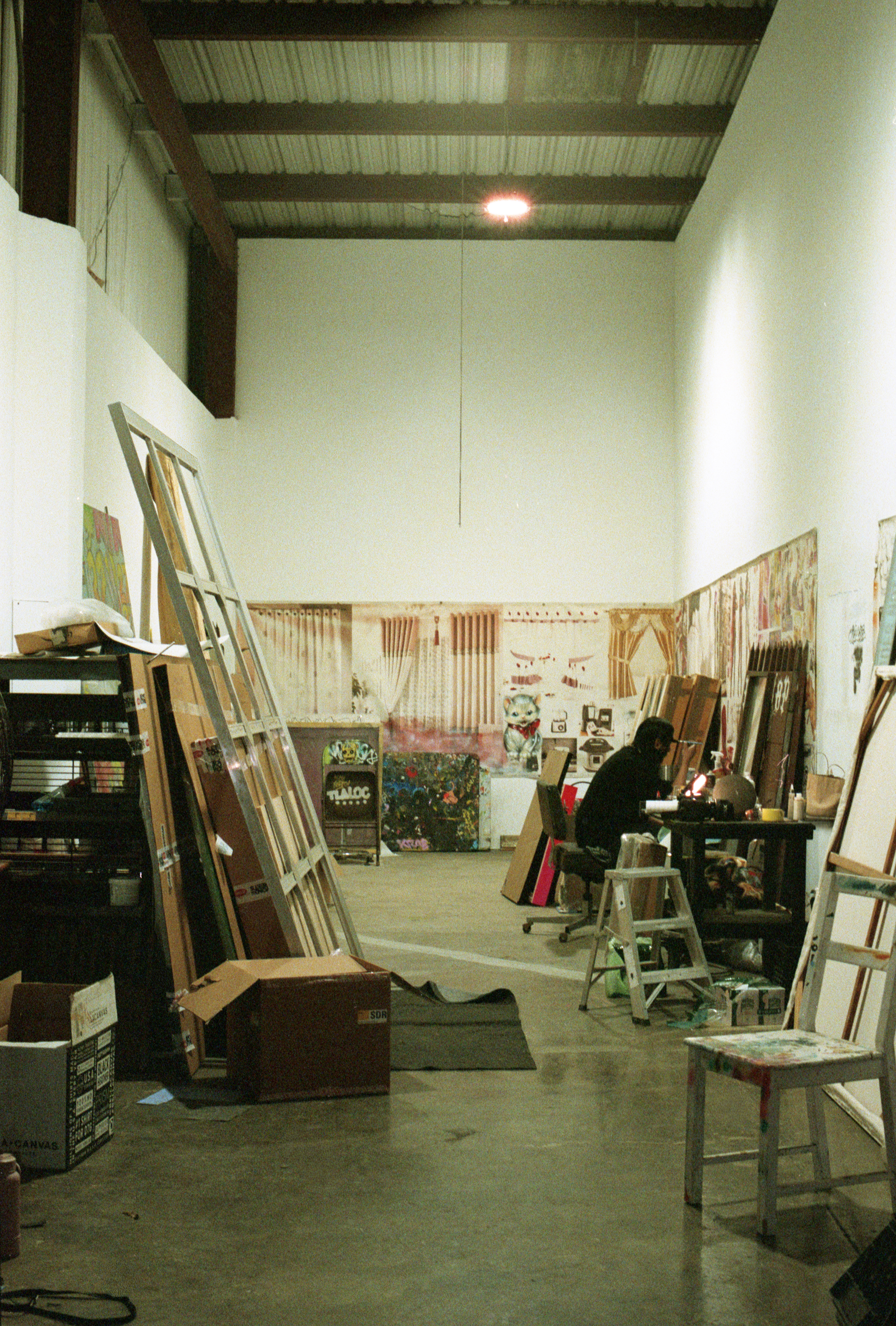
ー誰かに作品を見せ続けることが怖くはならなかったんですか?
Ozzie:いや、嬉しかったかな。自分の作品が評価される感覚は、グラフィティで名前を知られるのと同じ。自信も大事だけど、何が良くて何がダメかを知ることが重要なんだよ。技術だけじゃなく、コンセプトを見る。スタイルがないと意味がないからね。誰でも自分を疑う時はある。でも、時代は変わる。だから、自分も変化し続けないと落ちていくんだ。影響を受けることは大事なことだよ。人に作品を見せなきゃ誰にも知られない。コミュニティが必要なんだ。
ー自分は日本人だけど、LAでの経験も自分の一部になっているよ。
Ozzie:それは絶対に奪われない君の物語になってる。英語、最初大変だったでしょ?
ーそうだね。カメラがコミュニケーションツールだった。
Ozzie:LAはそれを受け入れてくれる街だよ。
Outro
人生の中の誰かの希望。そこに起こる反発。人生という大きな枠組みに選択という壁が多くある。
彼のインタビュー通り、両親の希望のため、仲間を変えるという子どもにとって苦渋の選択。しかし、私にとってここから見えることは<取らなかった選択は決して捨てたわけではない>ということ。私なりの解釈ではあるが自分が変われば周りも変わる。それが1番の愛であり、何かを愛すことで見え方が変わり多くの人に希望を与える。見捨てるのではなく。
タフな環境だろうとひたすらに前を向く姿は多くの人を変え文化もさえも良い方向に導くことができる。
Ozzie Juarez is an artist based in Los Angeles. The environment in which he grew up as a Mexican-American, his childhood spent copying anime characters, the streets where he became immersed in graffiti, the push and pull between family expectations and his own resistance, and the constant oscillation between anxiety and confidence. All of these have formed the foundation through which he sees the world and expresses himself through art. What follows is the conversation between him and me.
Ozzie: I think there’s, like, a very tight connection between Japanese anime and Mexico back in the 80s, and like the late 80s, Dragon Ball sold some of the rights to network in Mexico, so they were allowed to show a lot of anime. So anime came to Mexico first, then the US. So Dragon Ball was shown. Obviously it was first in Japan, and then Mexico, and then Brazil and other and other countries, and then the US got it last. So and So, because of that, the Mexican government and the Mexican television companies, they bought a lot of anime because Japanese were allowing them to sell it. And it became really successful. And so they kept on, you know, selling them, these, these cartoons, these animes, like Sailor Moon, like Dragon Ball, right? And so it just became, it just became really powerful in Mexico, because the story of Goku is really relatable. You know, he’s like an underdog. He like fights for his friends and family. He loves a lot, and kind of like doesn’t, doesn’t let himself give up, you know. And I feel like that kind of mindset and that mentality resonated really well with the Mexican population. The culture too. So that kind of like personal gravitated really well to the Mexican culture. And I think Dragon Ball is so huge in Mexico that it’s almost like a religion. It’s huge, huge.
ーYeah, I think a lot of Japanese anime has the style that like friends first or family first showing them up more, yeah. It’s like a related to what we just talked about.
Ozzie: Which is funny, because you say that in Japan, they don’t really show that kind of emotion, yeah, which is interesting that they show in cartoons. So yeah, because Goku loves his son and loves and tells him that he loves them, tells them how much cares about them, and same with his family and people. And I think that kind of really resonates with a lot of Mexicans. And for some reason it became like a phenomenon. And when it came over here to the States, as a Mexican American, I kind of was
drawn to it, and looking at Anime and looking at Sailor Moon, looking at Pokemon, looking at Yu Gi, oh, looking at Dragon Ball like that’s how I learned how to draw. Was redrawing this stuff and looking the anatomy of the figures and being obsessed with the line and the mark making. So I was really good at drawing Dragon Ball Z and anime characters.
ーSo you naturally got into art, because you were doing through cartoons and anime, and cartoons gave lot of people’s opportunities to do whatever.
Ozzie: Yeah, exactly to do art and to kind of have an imagination, in that sense. Because a lot of the early cartoons, I think now it’s way different. But a lot of the early cartoons are, like, really creative, you know, it’s like, really creative. And even, like, the color palette, the compositions and all that, I kind of, I took it very seriously. So when I was a kid, like, that’s all I wanted to do, man, like I hated school. All I wanted to do is draw, draw, draw and draw, draw people, draw humans, animals, anime cartoons. Make up my own cartoons, comic books and things like that. And then from there, sent to graffiti, writing on walls, painting on the walls, painting on trains.
ーYeah. How old were you like when you’re doing graffiti?
Ozzie: Started painting graffiti at 11.
ーYeah, and you from?
Ozzie: South Central, LA.
ーHow was the South Central when you were a kid?
Ozzie: Very dangerous, all the gangs, a lot of drugs, a lot of poverty, you know, a lot of bad people. And so I grew up with a lot of those kids. And, you know, I was very lucky that my parents and my dad specifically, was really, he was really tough, you know, and he really wanted a better future for me. So education was big, you know, I had to go to college and, like, he was always on my ass about, like, being able to understand. Bigger concepts like, you know, higher math and poetry and history and things like that. And so my dad was very, very serious about that stuff, and so he put me to work at a very young age. And so I was always working, studying, drawing and that kind of mindset, although I did get into selling drugs and painting graffiti, I kind of wasn’t an oxymoron, you know. I kind of was like doing two things the same time, like being a good student, being a good son, but also doing bad stuff at the same time, a balance,
ーSo you had a lot of mixed feeling?
Ozzie: Yeah, yeah, totally, totally. And then being a kid like, you know, suffered a lot through poverty and through seeing my family suffer and and then friends dying, you know, friends going to jail, family members going to jail, and getting into gangs, family members getting into gangs selling drugs. My brother went to jail, my cousin went to jail, my uncles went to jail. You know, I was the only one that didn’t want to jail, and so and so, because of that, I kind of stepped out of the hood and, like, pursued an education, pursued a career in arts, and kind of, like, became really serious about it, you know, I stopped fucking around. I stopped hanging out with the bad kids. I started hanging out with new, like minded individuals who understand who I was and understood where I wanted to go and my missions and my ambitions. And so that was kind of really powerful. Finding a group of friends who also wanted to do the same thing, you know. But fuck around and be idiots at the same time.
ーWhen you were kid, I think, you know, you had a lot of peer pressure because nobody wants to be hated.
Ozzie: Exactly, same when you’re a little kid, you know. But some, some of the things like you want to do, like, when I was, like, painting graffiti like I wanted to do, yeah, it wasn’t more a peer pressure, more like, Oh, this is this is cool. I like doing this. And then I got into punk rock music and skating and putting shows and like, all that was kind of same culture.
ーWhat was the transition from when you do whatever you want to do as a kid to when you took art seriously?
Ozzie: I still do whatever I want to do, and I’m very blessed to be able to do whatever I want to do and make a living out of it. You know, it’s very difficult to do so, but it didn’t come overnight. I like, worked really, really hard. I worked, you know, years, maybe 12 years, without earning a single dime, you know, you know, like working every single day, just making paintings, making paintings, drawing, designing, drawing, designing, making zero money, you know, and having second job and their job to make money.
ーKeep showing your art stuff too?
Ozzie: Always, never stop. I’ve been showing my art. First time I showed my art, when I was 16, so 2007 I’ve been showing work since 2007 and but it started off at, you know, showing art at skate parks, showing art at friends houses, showing art at, you know, alternative spaces, and then slowly moving on to galleries, museums and all that.
ーConsistent work, you know. So this is maybe stupid question for you, but like, did you feel like scary when you show your artwork to the people?
Ozzie: I was happy. That feeling of having your work recognized is the same as when your name starts to mean something in graffiti. Confidence is important, but what really matters is knowing what’s good and what’s not. I look at more than just technique,I look at the concept. If there’s no style, it doesn’t mean anything. Everyone has moments where they doubt themselves. But times change. If you don’t keep changing with them, you fall behind. Letting yourself be influenced is important. If you don’t show your work, no one will ever know you exist. You need a community.
ーI’m Japanese, but my experiences in LA have become a part of me too.
Ozzie: No one can ever take that away from you. That’s your story now. It was hard with English at first, right?
ーThe camera was my way of communicating.
Ozzie: LA is a city that accepts that.
In life, we have the hopes that someone places on your life and with that hope, there’s always some kind of resistance. Within this big framework we call life, there are so many walls disguised as“choices”. Like Ozzie said in the interview, as a kid he had to make a painful decision, changing the friends he hung out with for the sake of his dreams along with his parents’ hope. But to me, what I see in that story is that the choices you don’t take aren’t simply thrown away. In my own interpretation, when you change yourself, the people around you start to change too. Maybe that’s the purest form of love. Loving something such as your dream, what you want to do, the challenges you want to take on can shift the way you see the world, and it can end up giving hope to others. Not by abandoning anything, but by choosing to love. And seeing someone continue to move forward, no matter how tough their environment is, has the
power to change people. It can even shift culture in a better direction.
ARCHIVE
PROFILE
2003年生まれ、東京出身。2022年に単身LAへ移住。写真をはじめ、現在はストリートやファッションシーンなどで活動しながら、LAのリアルを撮影し続けている。
https://www.instagram.com/hyakubo100
Ozzie Juarez
https://www.instagram.com/ozziejuarez/